

 +1-800-267-5763


Chemical Burns Learning Module
Ocular chemical burns are ophthalmic emergencies requiring immediate assessment and treatment to minimize tissue damage and preserve vision.
This case-based learning module provides a clinically focused overview of ocular chemical burns across the acute, subacute and chronic phases of care. Learners will review the mechanisms and clinical presentation of acid and alkali injuries, important prognostic indicators, evidence-based medical and surgical management, and potential long-term complications.
By completing this module, participants will be able to:
- Understand the pathophysiology of chemical injuries to the ocular surface
- Recognize acid and alkali burns, their prognostic indicators and early signs of limbal ischemia
- Identify the key steps in acute assessment and management
- Review strategies for subacute and chronic management
- Understand long-term complications and their effect on visual prognosis
Target audience: Practising ophthalmologists, ophthalmology residents and medical students
Authors:
- Dr. Edmond Sandouk, Ophthalmology Research Fellow, Centre hospitalier de l’Université de Montréal
- Dr. Michael Mina, Ophthalmology Resident, Centre hospitalier de l’Université de Montréal
- Dr. Mona Harissi-Dagher, Ophthalmologist, Centre hospitalier de l’Université de Montréal
57th Sally Letson Symposium
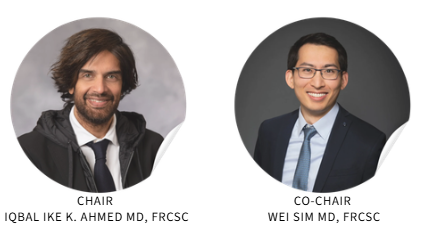
Join us from September 24-26, 2026 in Ottawa for the 57th Sally Letson Symposium.
“Reimagining Glaucoma Care Together” will bring together world leaders in ophthalmology, neuroscience, artificial intelligence and digital health to explore the cutting edge of glaucoma diagnosis, monitoring and management. This dynamic symposium will highlight practical innovations ready for clinical integration from AI-powered diagnostics and next-generation therapeutics to digital health tools and personalized precision medicine . Designed to spark collaboration between eye care practitioners, researchers, and technologists, this event aims to move beyond theory to tangible solutions that preserve sight and transform patient outcomes.
Over the course of 2.5 days, the program will delve into the realm of ophthalmology with top experts, captivating lectures, interactive learning and cutting-edge insights that will elevate your learning and practice. Seize this opportunity to enrich your knowledge and skills in this vital field, all while earning Section 1 MOC credits!
Learning Objectives
At the end of the symposium, participants will be able to:
1. Evaluate emerging innovations in glaucoma diagnostics, including AI-enabled imaging, risk-prediction tools, and assessment technologies, and describe how they can support earlier and more accurate detection.
2. Assess current and next-generation therapeutic options—pharmacologic, surgical, device-based, neuroprotection, and gene therapy—and determine how these advances can be integrated into personalized treatment plans to optimize patient outcomes.
3. Collaborate across clinical, research, and technology domains to co-create practical workflows, referral models, and interdisciplinary approaches that improve screening, monitoring, and treatment adherence
CanMEDS: Medical expert, Collaborator
Target Audience: This symposium is designed for attendance by ophthalmologists, ophthalmology fellows and residents, optometrists, orthoptists, medical students, technologists, nurses, and other allied health professionals.
Location: Westin Ottawa, 11 Colonel By Drive, Ottawa, ON K1N 9H4
2027 COS Annual Meeting and Exhibition

The COS Annual Meeting and Exhibition will take place from June 24-27, 2027 in Ottawa, Ontario.
Join us at the Rogers Centre (previously the Shaw Centre) where ophthalmologists and eye care professionals from across the spectrum of vision health, from research to patient care, will come together.
This meeting boasts an outstanding international and Canadian faculty presenting the latest in ophthalmic research and practice. The COS Annual Meeting and Exhibition includes invited lectures, scientific papers, wet labs and workshops, as well as networking opportunities and an extensive exhibition of ophthalmic equipment and services.
Learning Objectives
By participating in this year’s meeting, attendees will:
- Integrate into their practice, knowledge and skills gained from the sharing of Canadian and international research and scientific studies
- Discuss recent advances in the diagnosis and treatment of eye diseases
- Compare and contrast core concepts, new advances and clinical experiences by networking with colleagues and internationally renowned keynote speakers
- Enhance or develop new skills through innovative hands-on learning experiences in Self-Assessment Program (SAPs) and Surgical Skills Transfer Course (STCs)
- Appraise new and innovative technology and discuss developments in treatment and medical devices with industry representatives in the Exhibition Hall
2026 COS Hot Topics ePoster Presentation Webinar: Recording Now Available
Did you miss the COS Hot Topics Webinar? The recording is now available!
Held on June 24, 2026, the webinar featured a dynamic lineup of top-ranked ePoster presentations from the 2026 COS Annual Meeting & Exhibition, showcasing innovative research and emerging trends in ophthalmology. The session highlighted exciting developments in imaging, retinal disease, cornea, artificial intelligence, and therapeutic advancements.
Thank you to Dr. Adam Muzychuk for moderating an engaging and insightful discussion, and to all presenters for sharing their outstanding work.
Featured presentations included:
- Marwa Al Ghafri
Short-Term Outcomes of Switching to Faricimab in nAMD and DME Patients with Suboptimal Responses to Aflibercept - Aya Benabdelhak
Tracking Corneal Nerve Regrowth After Neurotization: A Validated, Standardized IVCM Methodology - Jiwon Hwang
Longitudinal Assessment of Growth and Melanin Change in Choroidal Nevi with Polarization Diversity Optical Coherence Tomography (PD-OCT) - Tina Felfeli
Intraocular Fluid Cytokine Profiles as Biomarkers for Retinal Disease Prediction: A Machine Learning Approach - Devina Ramesh
Patient Preference for Topical Antisepsis for Intravitreal Injection: A Prospective Clinical Study - Zhao Feng
Study of Ophthalmic Radiation Therapy Toxicity: Classification System for Radiation Retinopathy - Godfrey Wong
External Validation of the Multifocal Electroretinogram Classification Interface (MERCI), a Machine Learning Algorithm for Hydroxychloroquine Toxicity - Tasha Miller
Redistribution of Corneal Endothelial Cells Following Descemet’s Stripping Only for Fuchs Endothelial Corneal Dystrophy - Lia Huo
A Gene-Agnostic Approach: Sustained Delivery of Rod-Derived Cone Viability Factor Protects Human and Rodent Cones in Retinitis Pigmentosa - Sohel Somani
SPECTRUM: Data From a Global Real-World Study of Aflibercept 8mg in Patients with Treatment-Naïve or Previously Treated Diabetic Macular Edema
Watch the recording to explore cutting-edge research shaping the future of ophthalmology.
COS Forum 2026
Missed the conversation on the future of the Canadian Ophthalmological Society and the evolving landscape of vision care? A recording is available for you to view below!
After this session, participants will:
- Integrate multidisciplinary perspectives to advance excellence in ophthalmic care, synthesizing knowledge from advocacy, education, mentorship, technology, and diversity initiatives to strengthen both clinical practice and the broader ophthalmology profession
- Evaluate the impact of emerging trends and technologies on the future of ophthalmology assessing how innovations, such as artificial intelligence and digital collaborations, are transforming patient care, training, and professional engagement within ophthalmology.
- Promote a culture of equity, inclusion, and lifelong learning in ophthalmology, applying principles of equity, diversity, and mentorship to enhance professional development, foster inclusive leadership, and improve educational and clinical outcomes.

Join Dr. Nina Ahuja, Chair of the Council on Advocacy for the Canadian Ophthalmological Society, to review the year in advocacy and explore what’s coming in 2026.
*Elisabeth Fowler covers this topic in our French Forum on January 28.

Dr. Adam Muzychuk shares exciting updates on the planning process and highlights, including the inaugural Film Festival, Co-developed Symposium, Skills Transfer Courses, and Self-assessment Programs.
*Dr. Mona Dagher covers this topic in our French Forum on January 28.
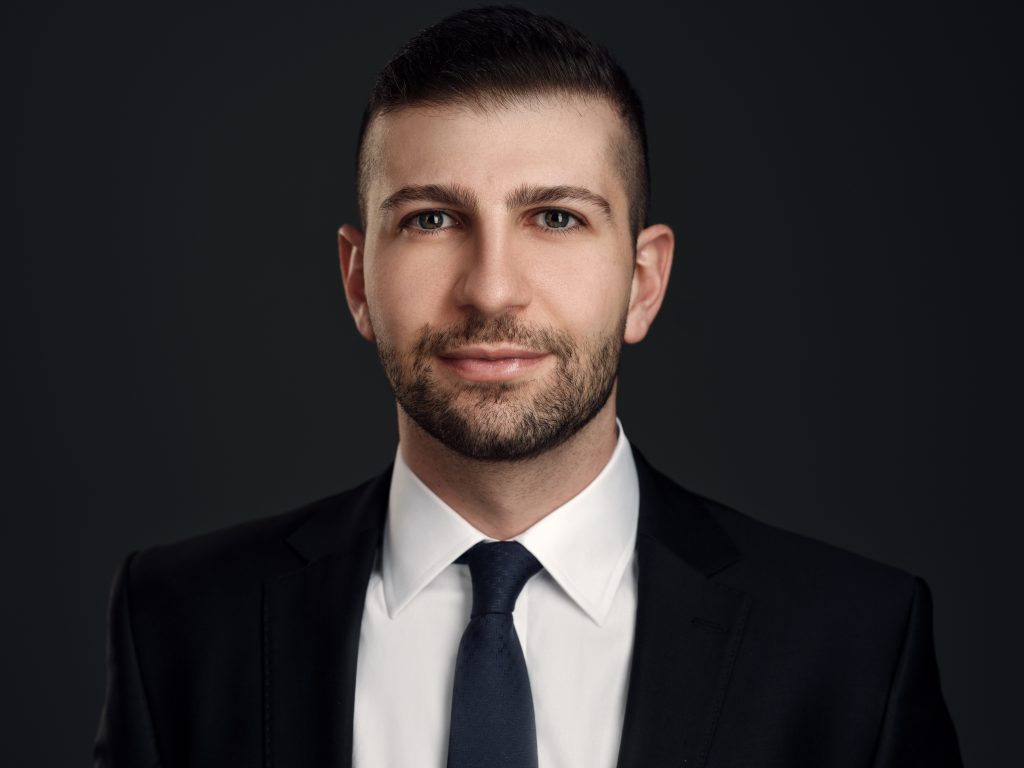
Dr. Fares Antaki discusses advancements in AI and their importance for ophthalmology.
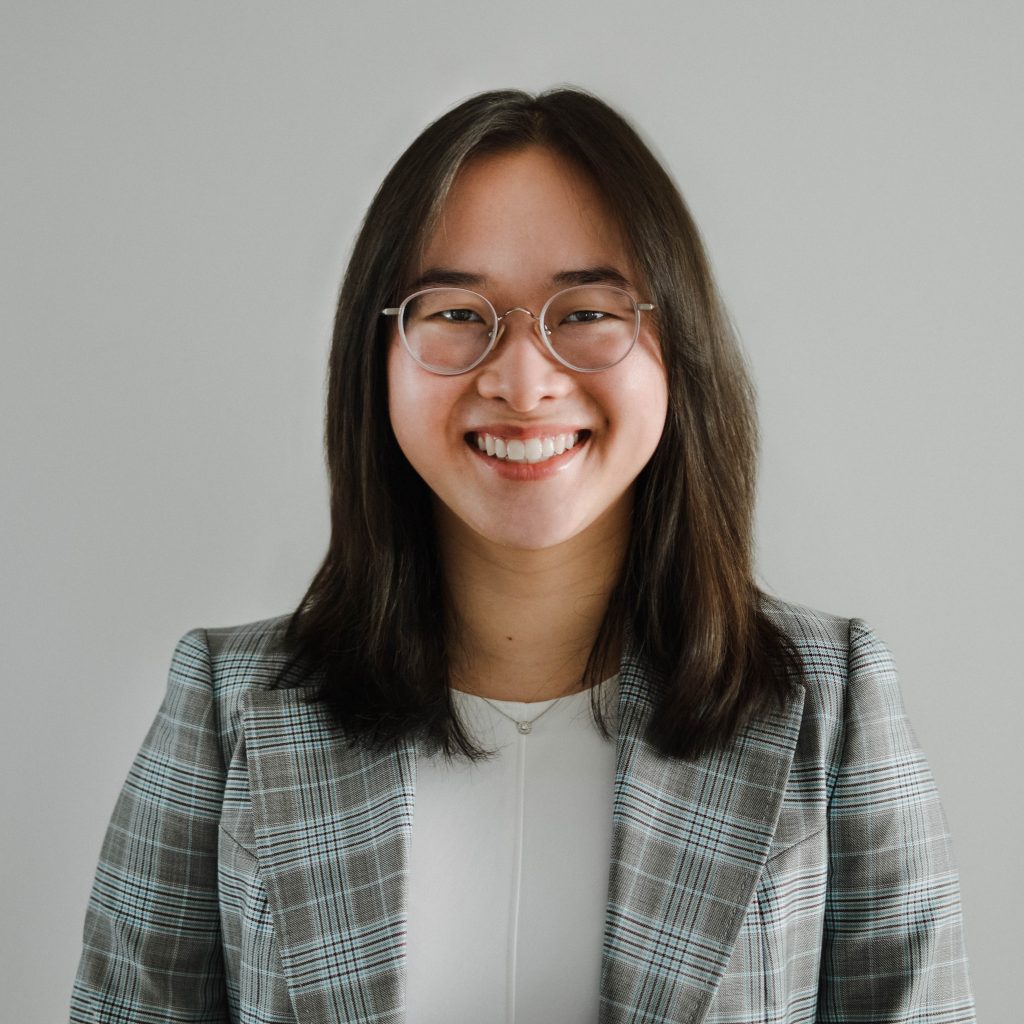
Dr. Anne Nguyen provides updates on the Council of Canadian Ophthalmology Residents (CCOR) and its work supporting residents in Canada.

Dr. Imaan Kherani presents the COS Equity-focused Mentorship Program and its initiatives.
*Stephanie Nou covers this topic in our French Forum on January 28.

Our COS President, Dr. Mona Dagher, will be moderating the session.
We’ve Got Your Back! A COS Webinar Recording
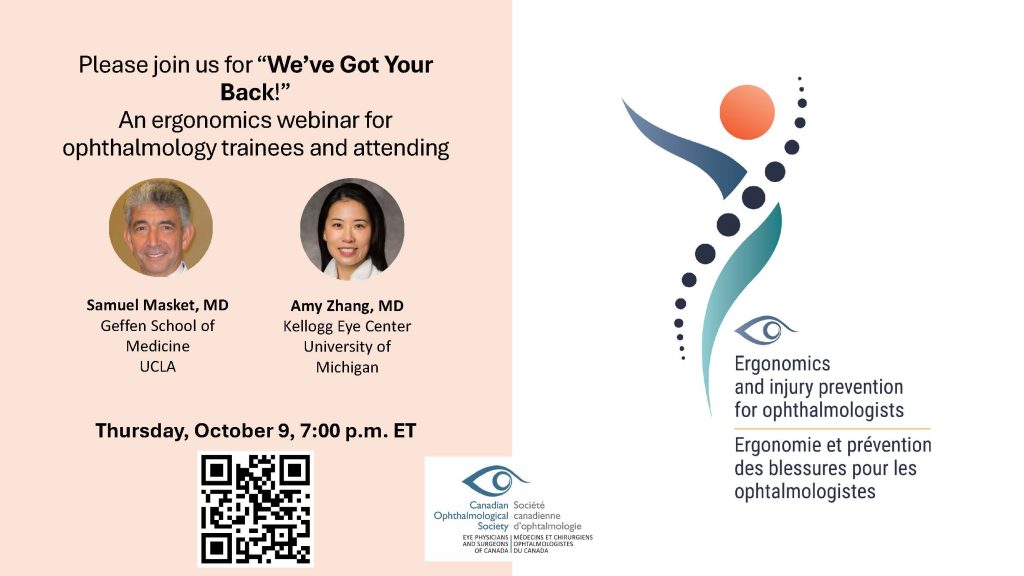
Please note that this webinar has passed. A recording is available below.
October is Ergonomics Month and what better time to learn more about staying safe and healthy in your practice and personal life? Join us on Thursday, October 9, 2025 for an educational and lively discussion on Ergonomics and Injury Prevention.
Learn more from ergonomics experts Dr. Sam Masket, Clinical Professor of Ophthalmology (Retired), Geffen School of Medicine, UCLA and founding partner of Advanced Vision Care in Los Angeles, and Dr. Amy Zhang, Associate Clinical Professor of the Glaucoma Service at the University of Michigan Kellogg Eye Center. Moderated by Dr. R. Rishi Gupta, Chair of the COS Ergonomics and Injury Prevention Working Group, this accredited webinar will feature an interview-style presentation, practical and interactive “micro breaks” videos, and the premiere of our ergonomics video featuring ophthalmologist and COS Past President Dr. Dan O’Brien from Nova Scotia sharing his patient journey.
At the end of this webinar, participants will:
- Understand the impact that musculoskeletal (MSK) disorders have on physician performance, job satisfaction and workforce limitations.
- Understand the ergonomic problems associated with workplace equipment, such as operating microscopes, slit lamps, and indirect ophthalmoscopes.
- Appreciate what modalities exist to reduce the impact of MSK disorders and how this subject should be part or Resident/Fellow education.
EyeNovation Webinar: Inherited Retinal Disorders: Progress, Promise, and Lessons Beyond Setbacks – Recording
Did you miss the webinar? Not to worry, a recording is available below!
Inherited Retinal Disorders: Progress, Promise, and Lessons Beyond Setbacks
Presented by Dr. Ioannis Dimopoulos, MD, MSc, FRCSC
Join us for an in-depth session as Dr. Dimopoulos explores the latest advancements in inherited retinal disease (IRD) research, emerging therapeutic approaches, and key lessons learned from clinical challenges.
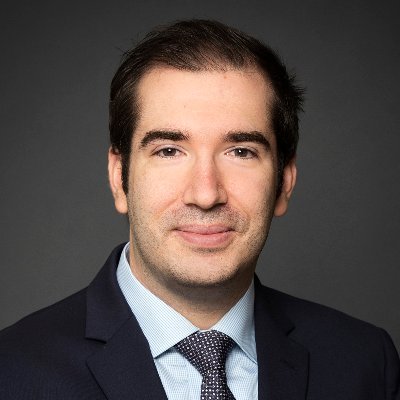
Dr. Dimopoulos obtained his medical degree from the University of Athens and subsequently completed graduate studies and a research fellowship in Ocular Genetics at the University of Alberta. He was directly involved and lead the outcome measure assessment for an ocular gene therapy trial for choroideremia – the first in Canada. Following his ophthalmology residency training at the University of Ottawa, he completed a 2 -year fellowship in Medical Retina & Ophthalmic Genetics at the National Eye Institute / National Institutes of Health. He recently joined the University of Ottawa’s Department of Ophthalmology as an Assistant Professor. His clinical and research interests include inherited retinal disorders, gene therapy, AMD, CSCR, and diabetic retinopathy.
Learning Objectives:
By the end of the session, participants will be able to:
- Describe the genetic and clinical landscape of inherited retinal disorders (IRDs) and the associated unmet medical needs
- Explain the principles, current applications, and clinical progress of gene therapy in retinal diseases, including the case of choroideremia
- Discuss future directions, challenges, and emerging technologies in the development of gene therapy for IRDs.
EyeNovation Webinar: The SIRE Sign and Functional Vision in Geographic Atrophy Treatments
We’re excited to announce that our webinar, “EyeNovation: International Webinar Series for Ophthalmic Expertise” series, ‘The SIRE Sign and Functional Vision in Geographic Atrophy Treatments‘, was presented by Dr. Robyn Guymer on April 10, 2025, from 7:00 p.m. – 8:00 p.m. ET.
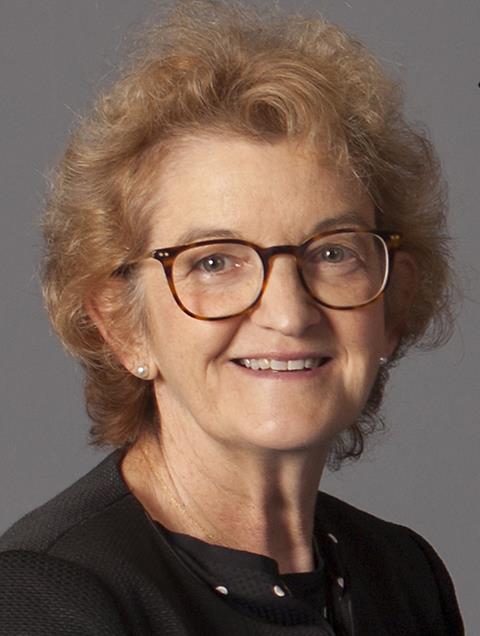
Professor Robyn Guymer is a Professor of Ophthalmology at Melbourne University, deputy director of the Centre for Eye Research Australia, and a senior retinal specialist at the Royal Victorian Eye and Ear Hospital.
A leading clinician scientist, she researches Age-related Macular Degeneration (AMD) and has co-authored over 400 peer-reviewed papers. Her work focuses on early AMD treatments, novel imaging biomarkers, and surrogate endpoints for early intervention trials.
She has led industry-sponsored trials, serves on pharmaceutical advisory boards, and is part of international macular disease groups. An inaugural fellow of the Australian Academy of Health and Medical Sciences, she was awarded the Member of the Order of Australia in 2018 and inducted into the Victorian Honour Roll of Women in 2021.
By the end of this webinar, you will be able to:
- Understand the relevance and importance of the SIRE sign
- Understand how functional vision has been tested in current GA trials
- Understand the issues around showing a functional change in vision in geographic atrophy
If you missed this webinar, not to worry! The recording is available below:
56th Sally Letson Symposium
Join us from Thursday, September 11 – Saturday, September 13, 2025
This year’s topic is Uveitis – Cells, Haze, and Macular Edema: Seeing the Bigger Picture
Over the course of 2.5 days, the program will delve into the realm of ophthalmology with top experts, captivating lectures, interactive learning and cutting-edge insights that will elevate your learning and practice. Seize this opportunity to enrich your knowledge and skills in this vital field, all while earning Section 1 MOC credits!
Learning Objectives
At the end of the symposium, participants will be able to:
- Assess and differentiate between common and uncommon presentations of uveitis, and apply appropriate diagnostic and treatment strategies to enhance patient care.
- Analyze recent advancements in uveitis research, including novel therapies, immunosuppressive treatments, and emerging diagnostic techniques, and integrate new findings into clinical decision-making.
- Describe the complexities of uveitis and its impact on vision and overall health, demonstrate effective patient communication strategies, and collaborate with multidisciplinary teams to develop comprehensive, patient-centered care plans.
CanMEDS: Medical Expert, Scholar, Communicator
Target Audience: This symposium is designed for attendance by ophthalmologists, ophthalmology fellows and residents, optometrists, orthoptists, medical students, technologists, nurses, and other allied health professionals.
Get a sneak peek at the preliminary program! Click here for more information.
Location: Westin Ottawa, 11 Colonel By Drive, Ottawa, ON K1N 9H4
For more information, please visit the Sally Letson Symposium Website.
QUESTIONS? For inquiries relating to the scientific program and CPD credits, please contact Jill Garner [email protected]